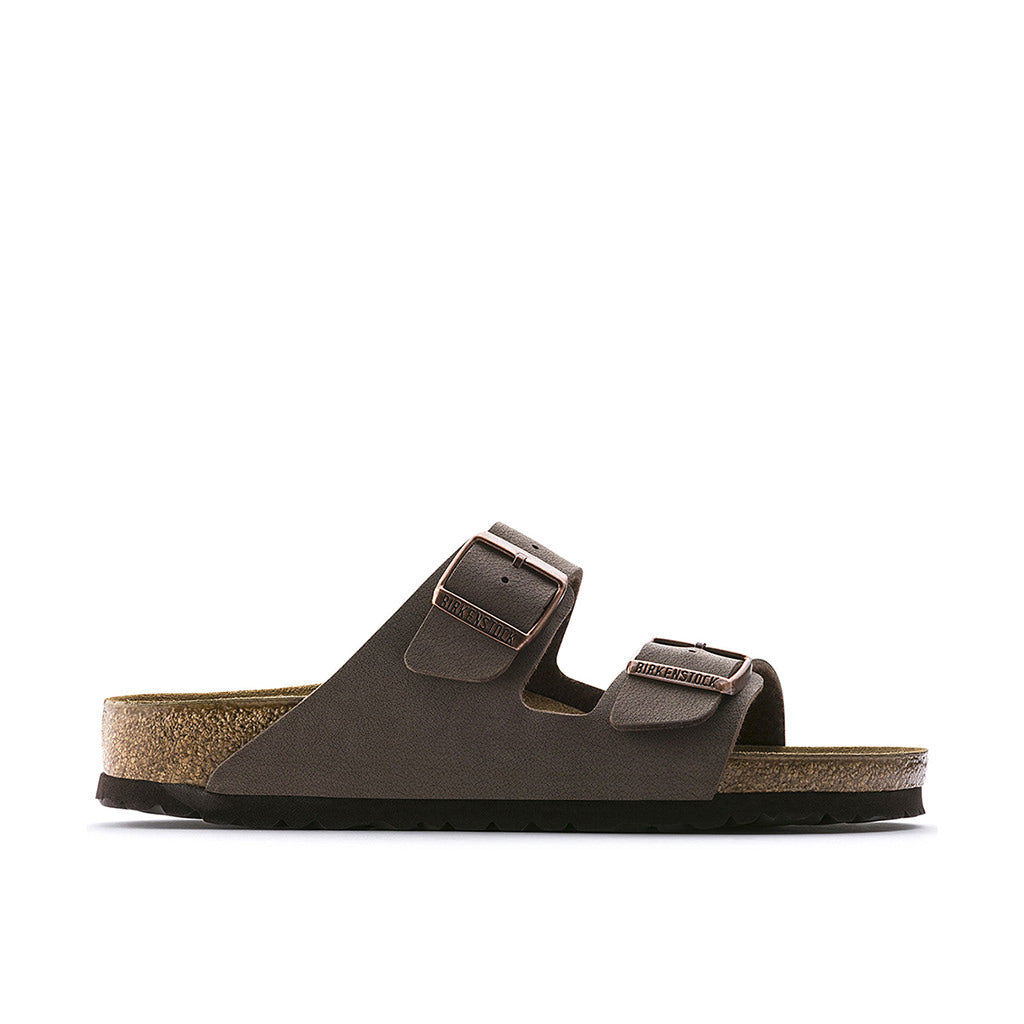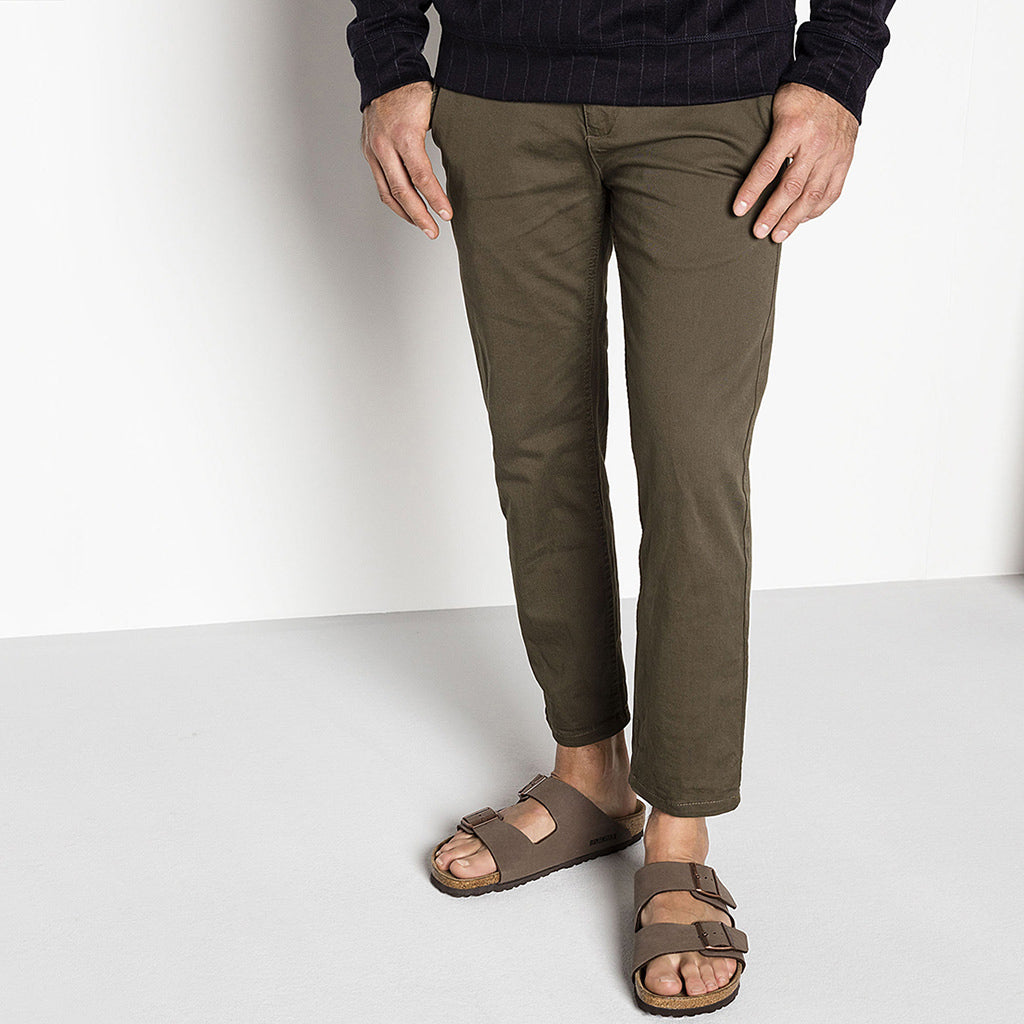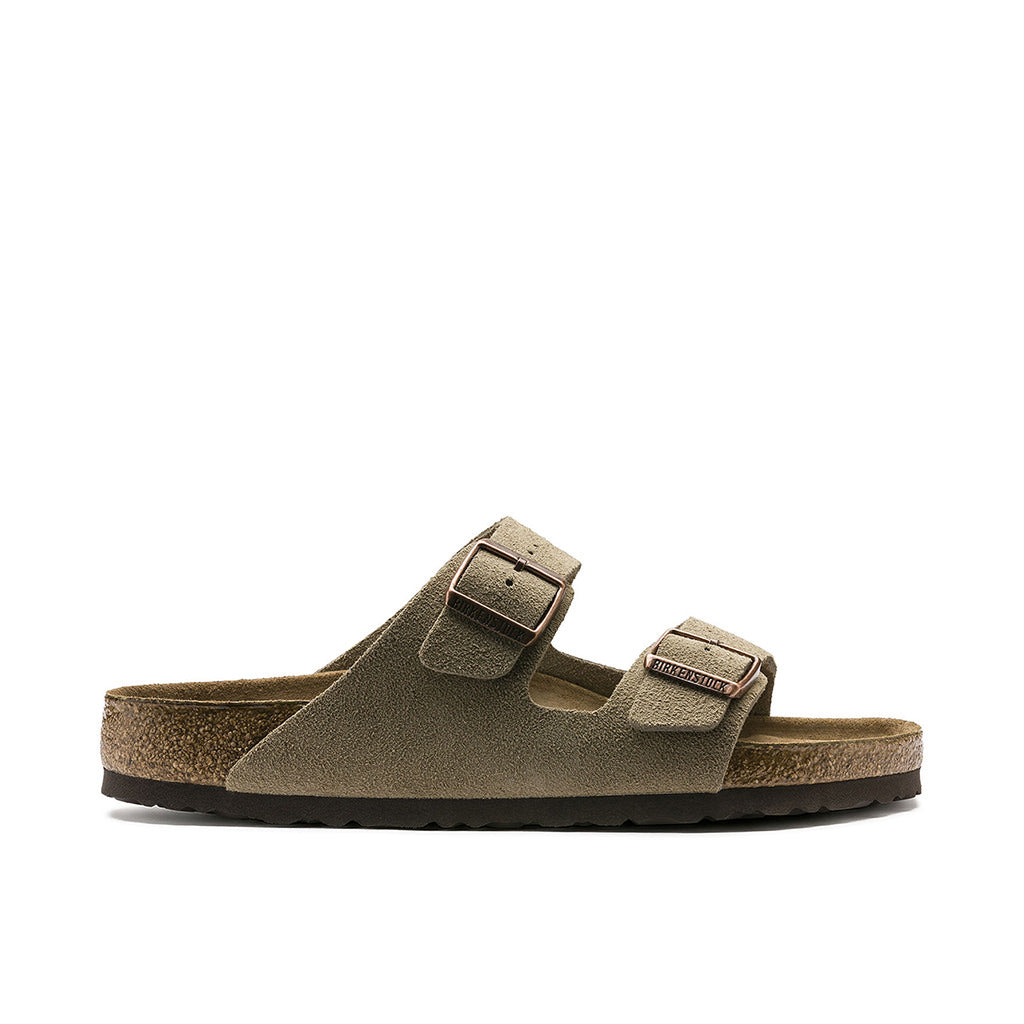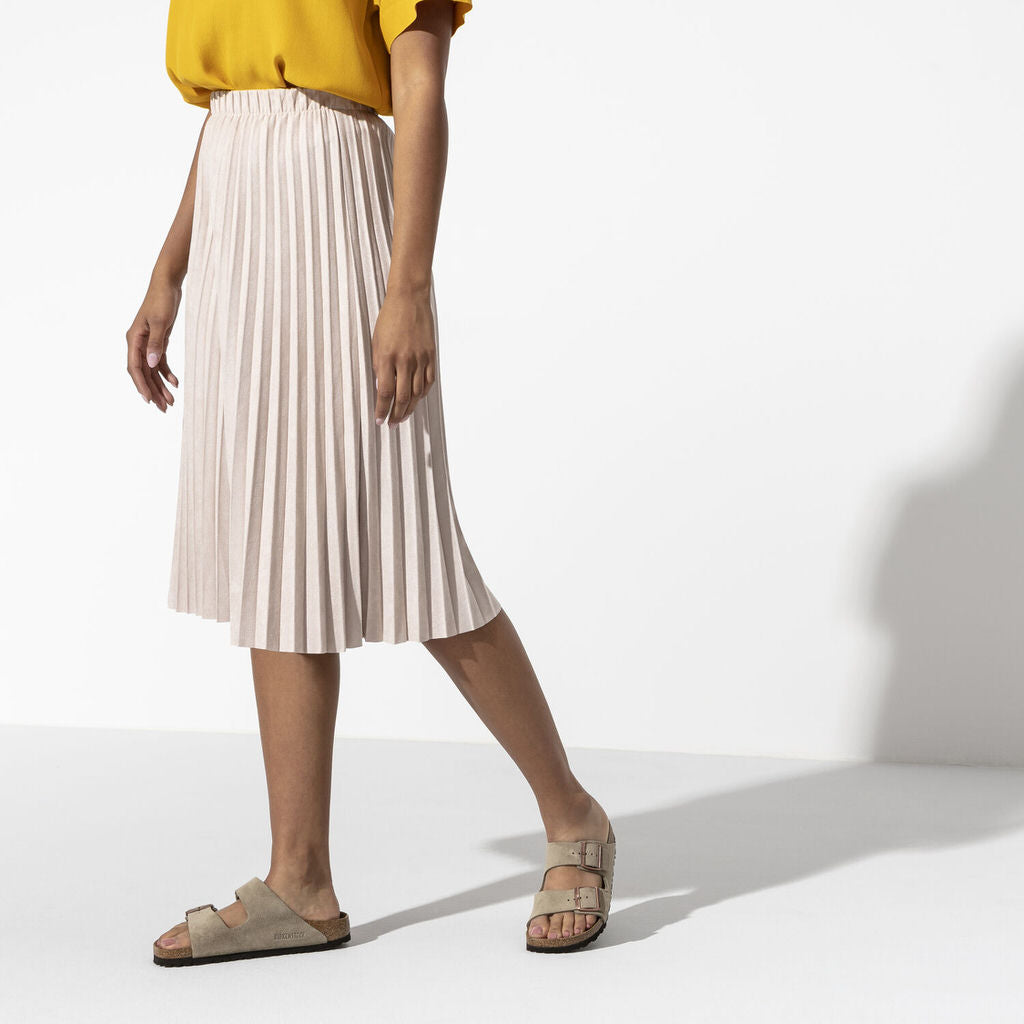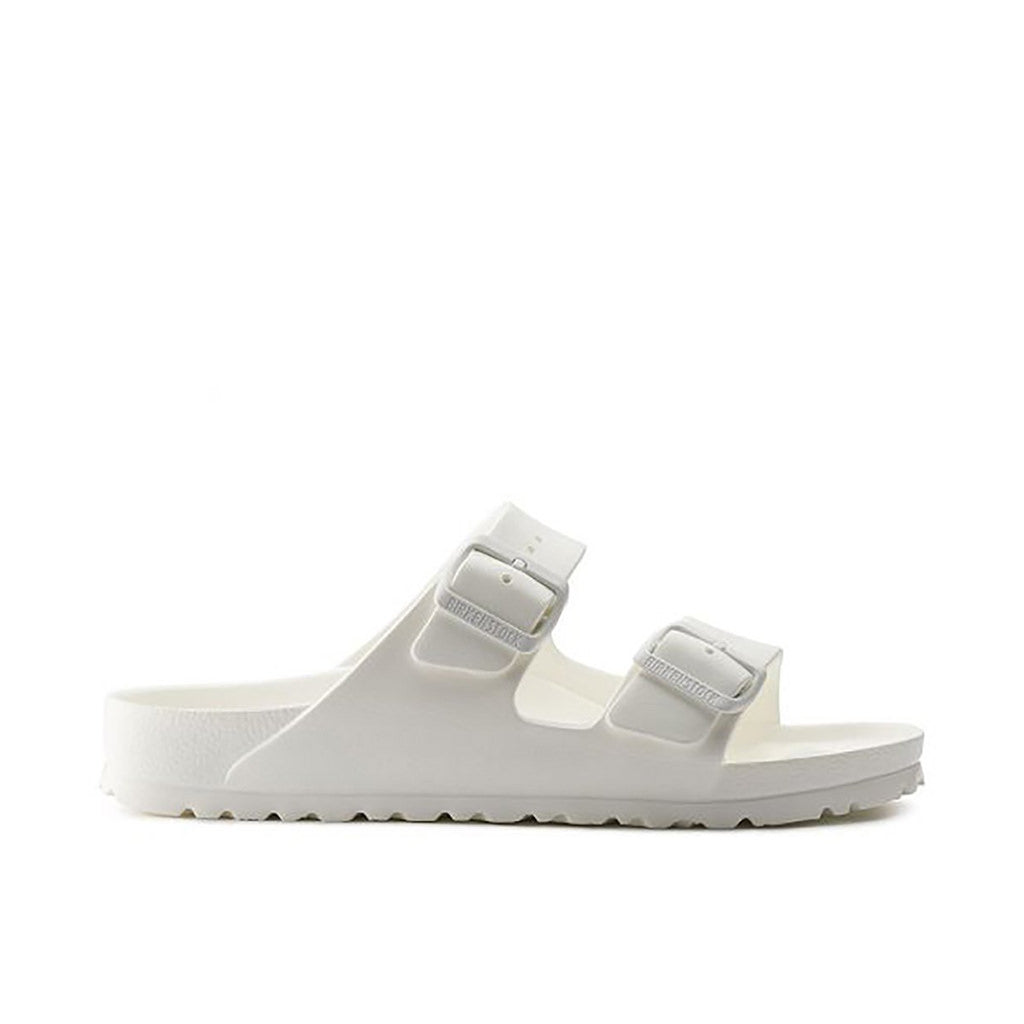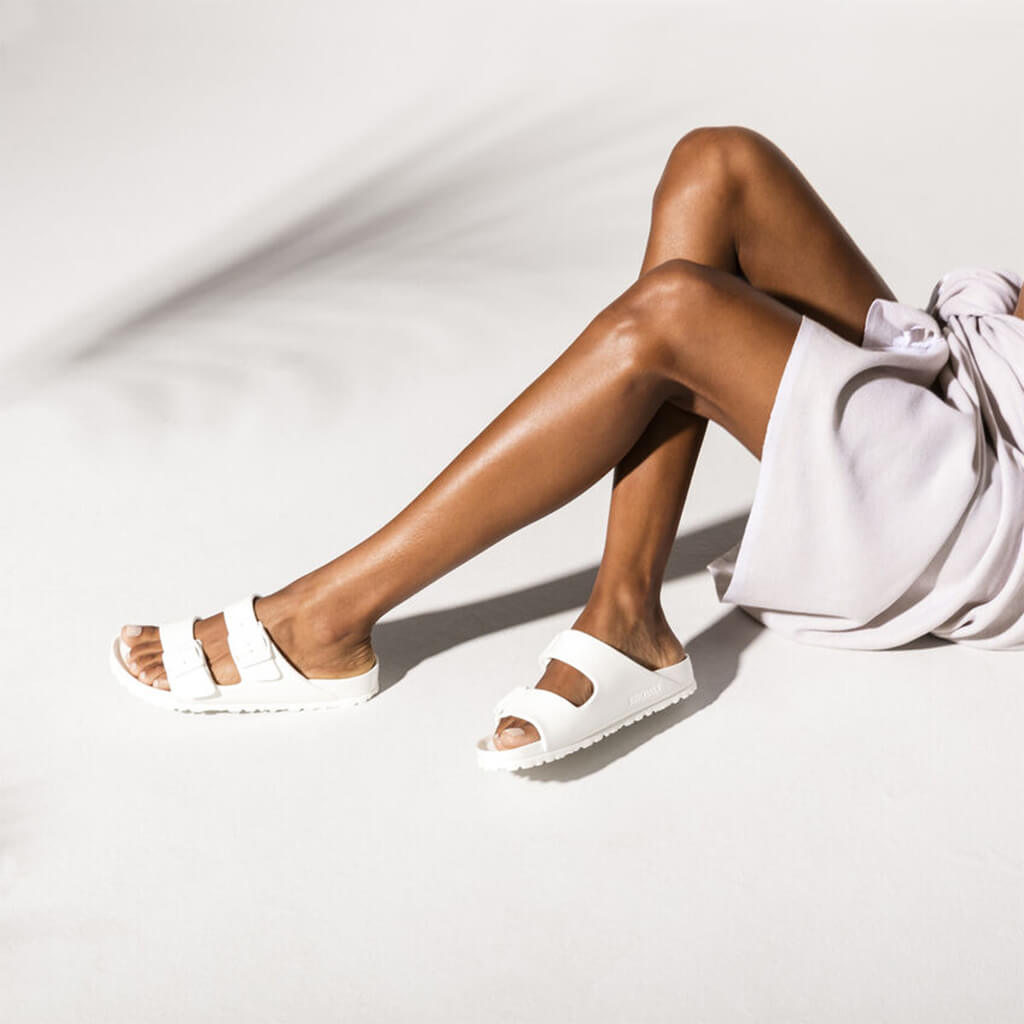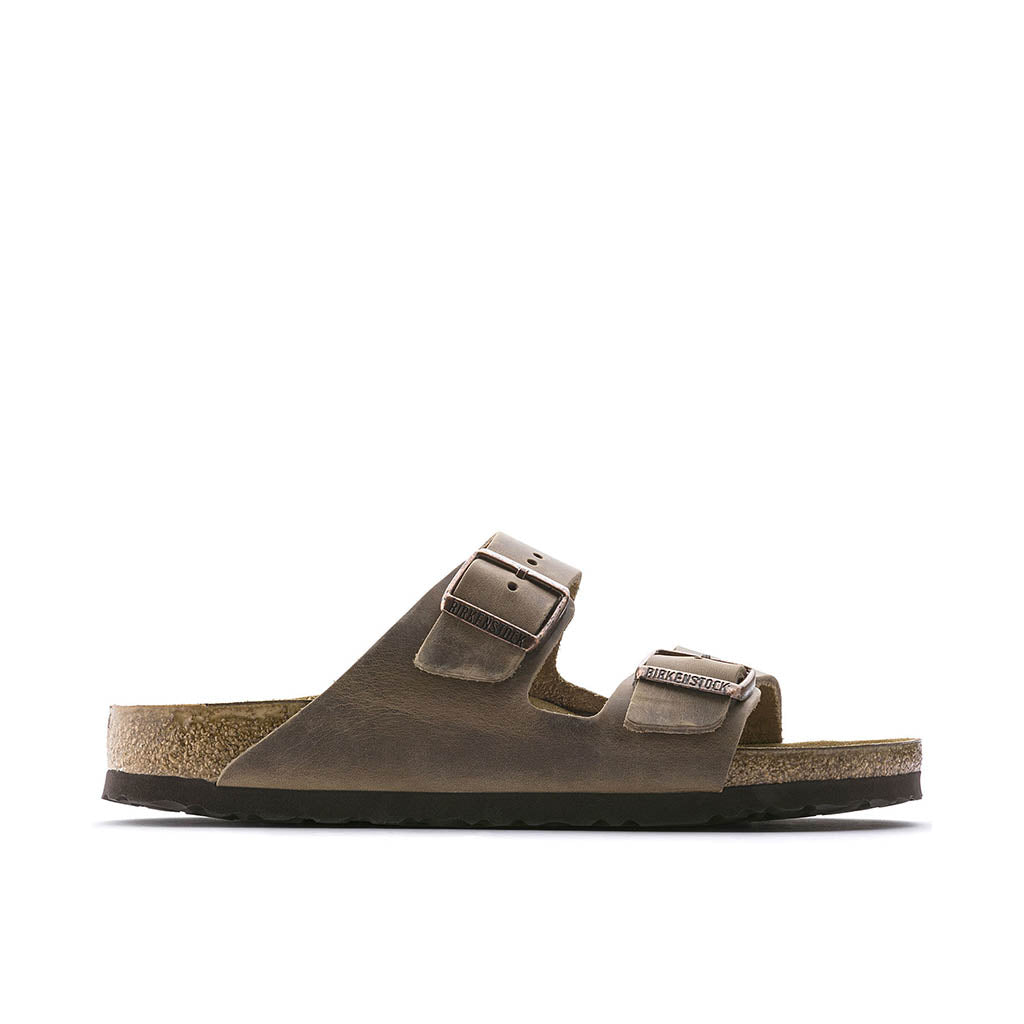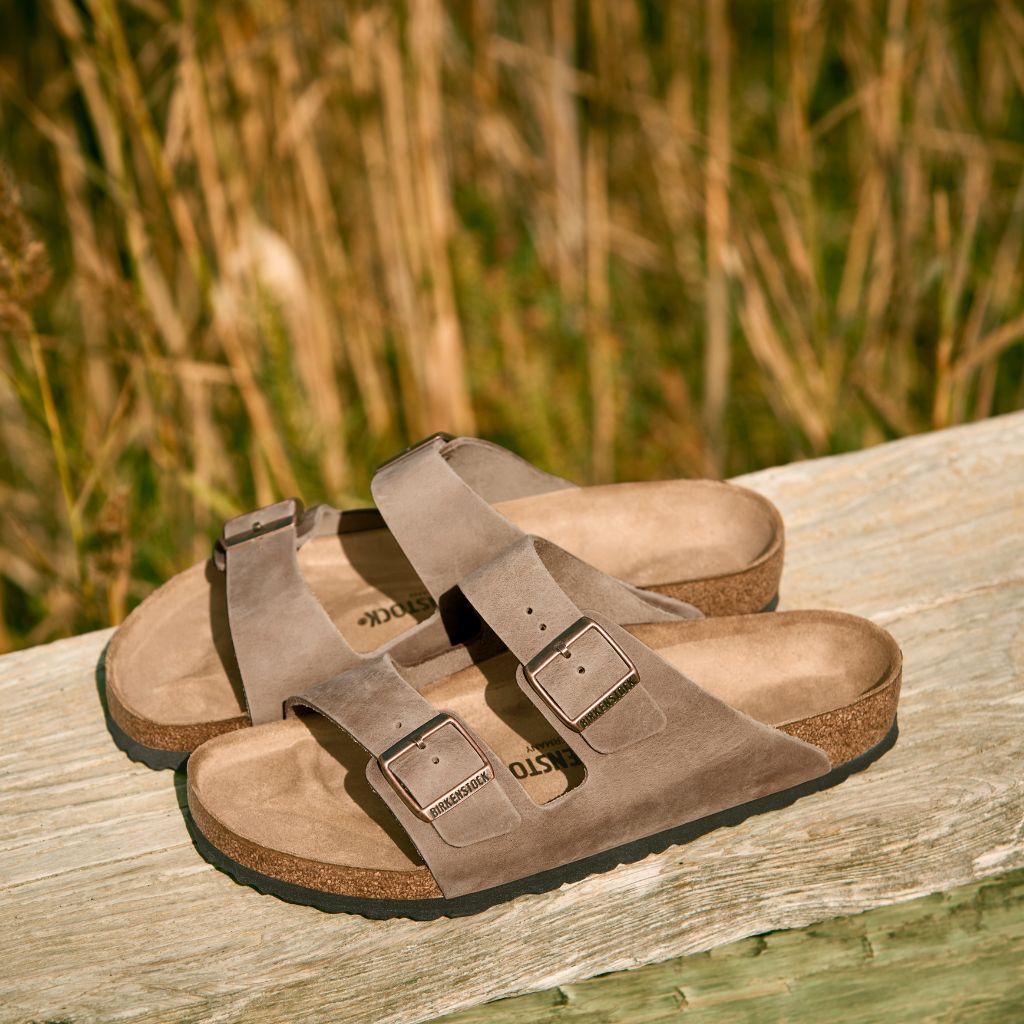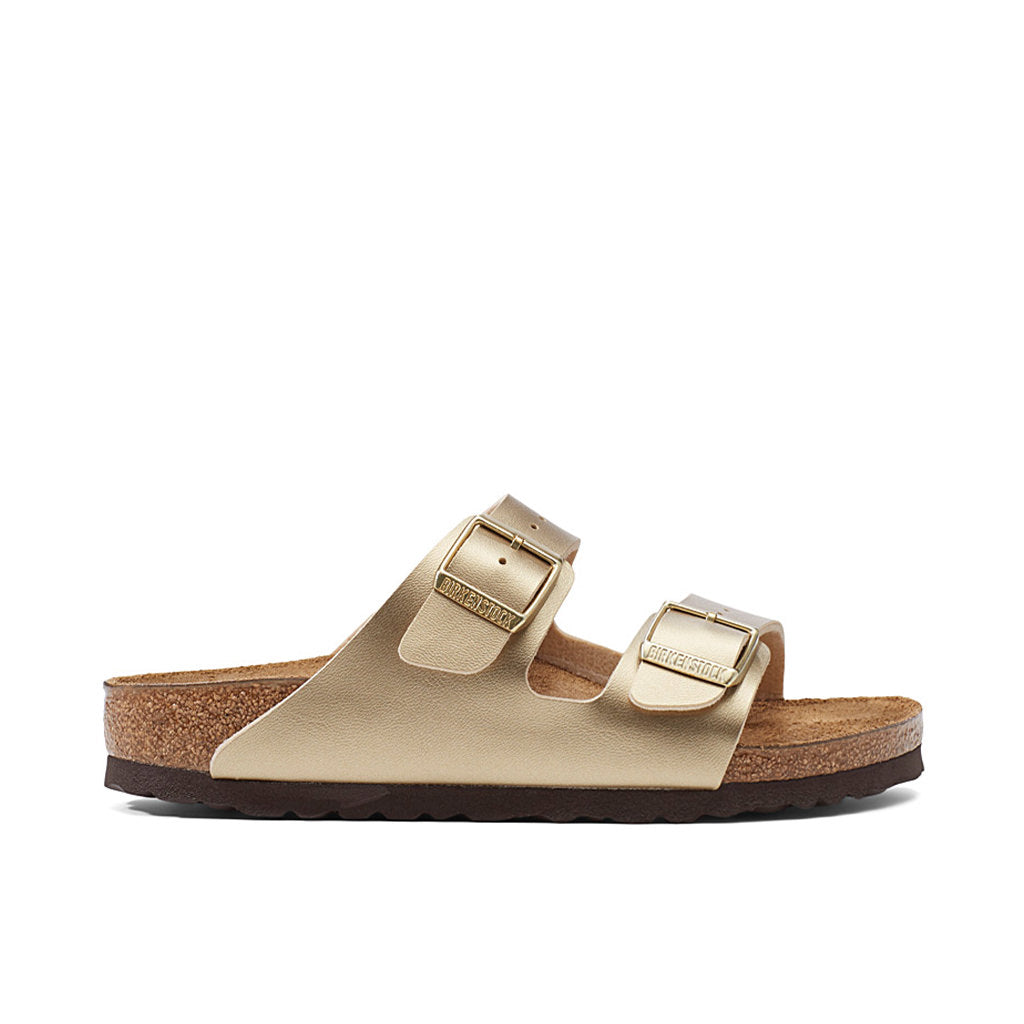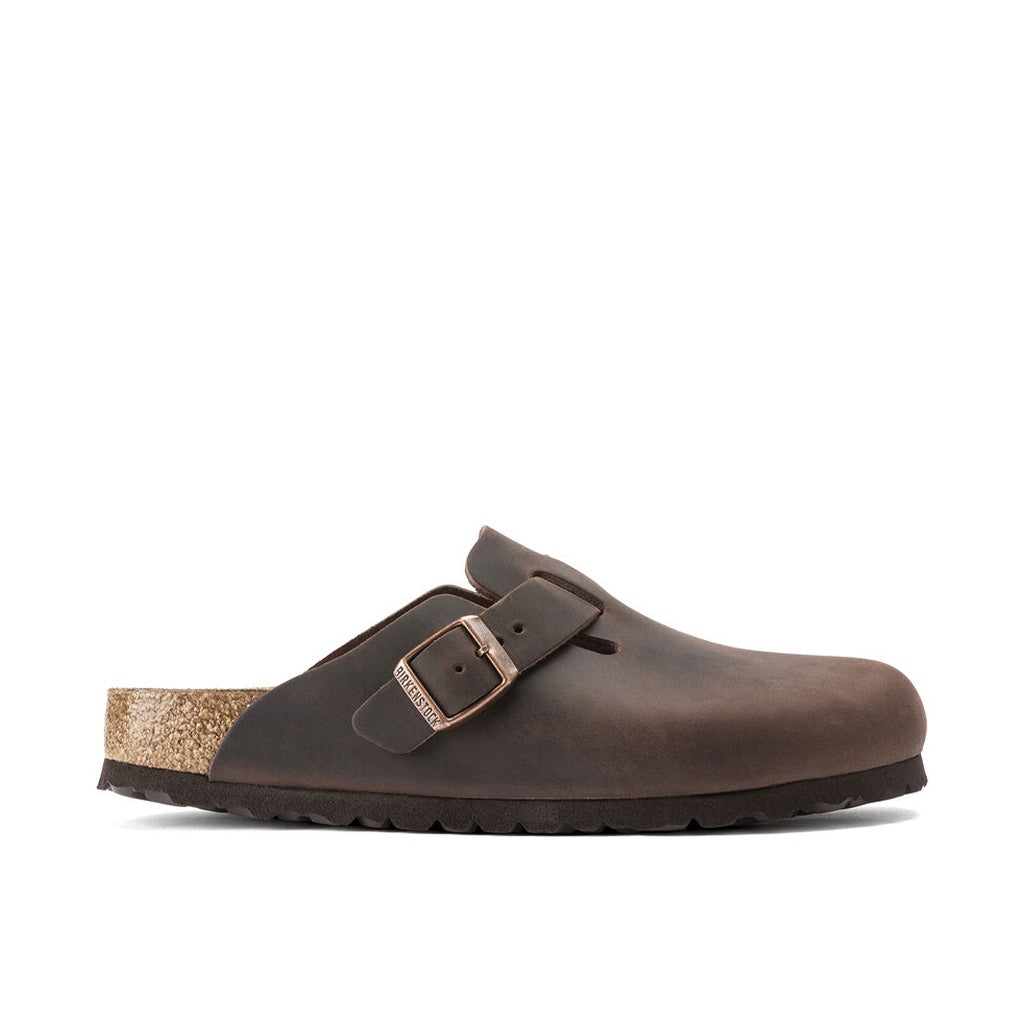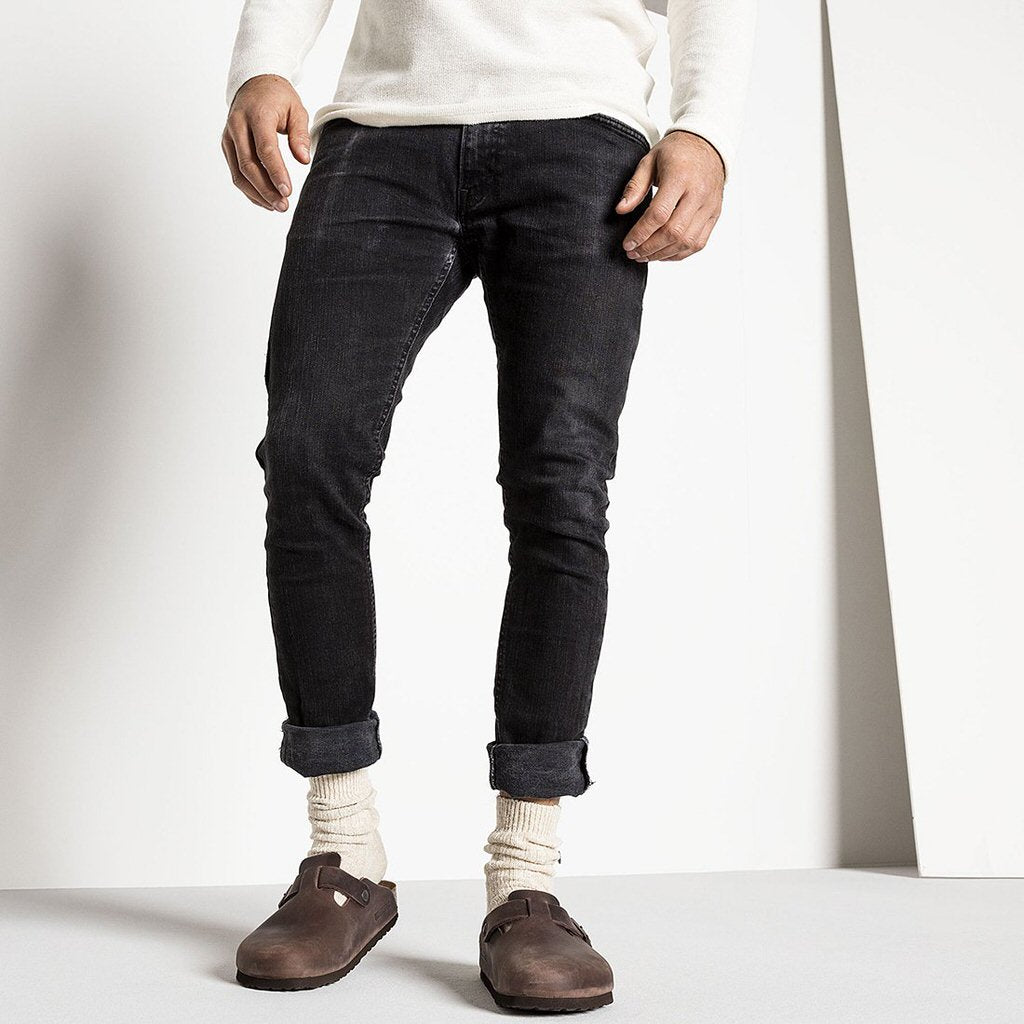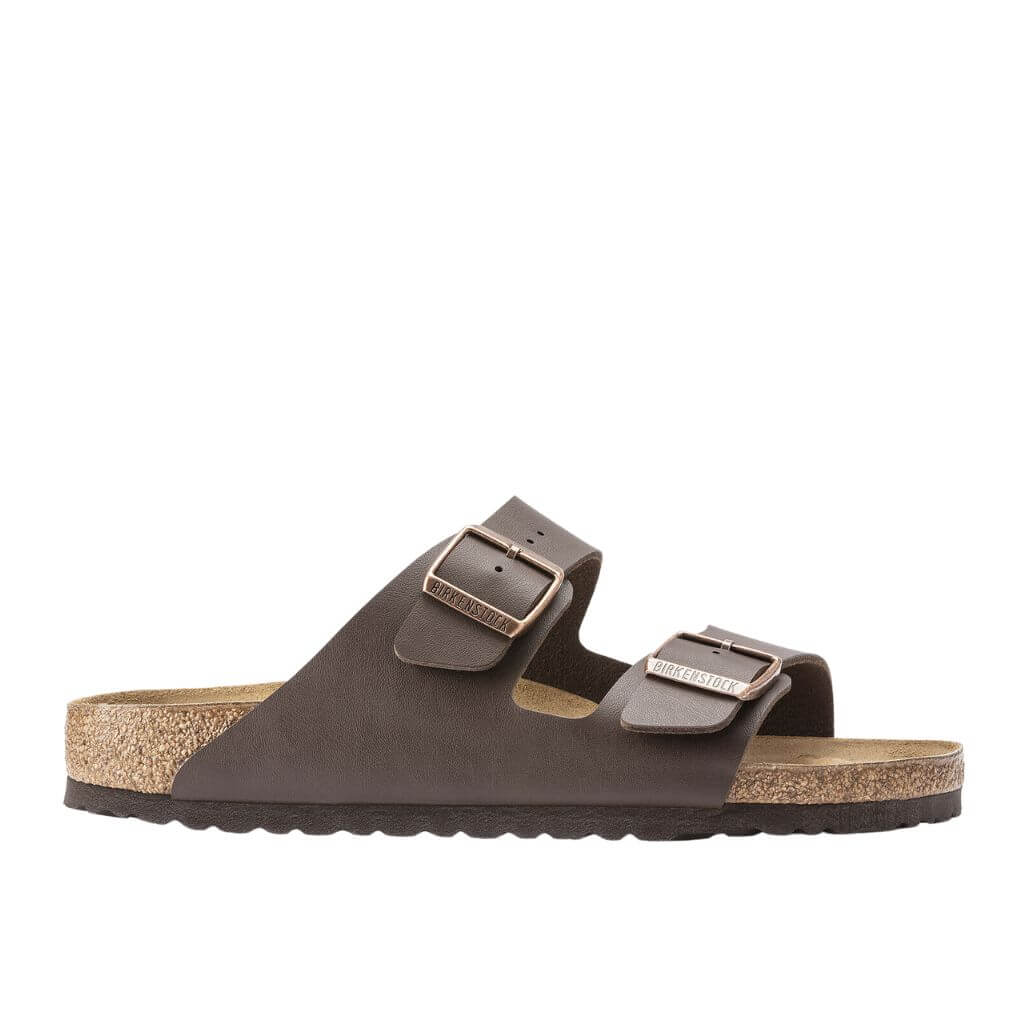








If you have narrow feet, you’ve probably experienced shoes slipping at the heel, feeling too roomy through the forefoot, or never quite feeling secure no matter how much you tighten them.
Wearing shoes that are too wide can impact more than just comfort. Excess movement inside the shoe can lead to rubbing, blisters, instability, foot fatigue, and reduced support through the heel and arch. Finding the right fit is about creating a secure and supportive feel without uncomfortable pressure or tightness.
At Footgear, we know that no two feet are exactly the same. That’s why we stock a wide range of brands, supportive footbeds, adjustable styles, and narrow fit options designed to help you find a fit that feels comfortable from the very first wear.
Everyone’s feet are different, but there are a few common signs that a narrower fit may suit you better.
You might notice your heels slipping while walking, your feet sliding forward in sandals, or gaps around the sides of the shoe. Some people also find they constantly need to tighten laces or buckles, or experience rubbing and blisters caused by movement inside the shoe. Narrow feet often move around more inside shoes that are too wide, particularly through the heel and forefoot. Over time, this can lead to discomfort, instability, and shoes feeling less supportive than they should.
It’s also completely normal for one foot to be slightly different in size or shape from the other, which can sometimes make fit feel inconsistent between styles and brands. If this sounds familiar, narrow fit shoes, supportive footbeds, or a few simple fit adjustments may help create a more secure and comfortable fit.
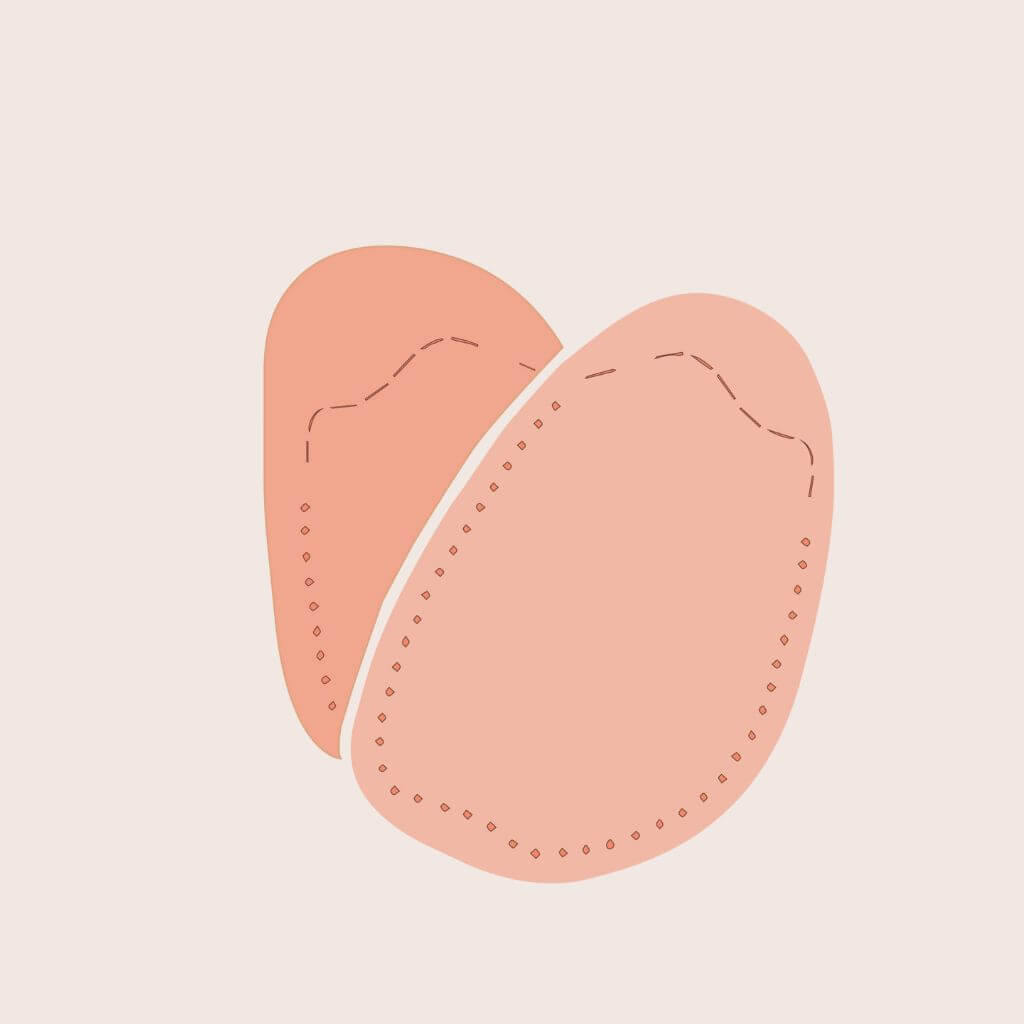
Heel slipping is one of the most common fit issues for narrow feet and usually happens when there is too much room through the heel counter or the shoe isn’t securing the foot properly. One of the easiest ways to improve this is with a fore-foot cushion. Fore-foot foam or leather inserts help lift the foot slightly and position it further back into the heel counter for a firmer and more secure fit. Sometimes those few millimetres can make a huge difference. Styles with adjustable straps, buckles, or laces can also help improve heel hold and reduce movement through the shoe.
A properly fitting shoe should feel secure through the heel and mid foot while still allowing natural movement through the toes.
Your heel should feel stable without excessive slipping while walking, and your foot should feel supported without needing to overtighten laces or straps. Shoes should feel comfortable from the start, you shouldn’t have to rely on “breaking them in” to make them wearable. If your foot is sliding around inside the shoe, the fit is likely too wide.
At Footgear, we generally recommend leaving a small amount of space at the end of the shoe to allow your foot room to move naturally. Measuring both the length and width of your feet can also help when determining whether you may need a narrow or regular fit.
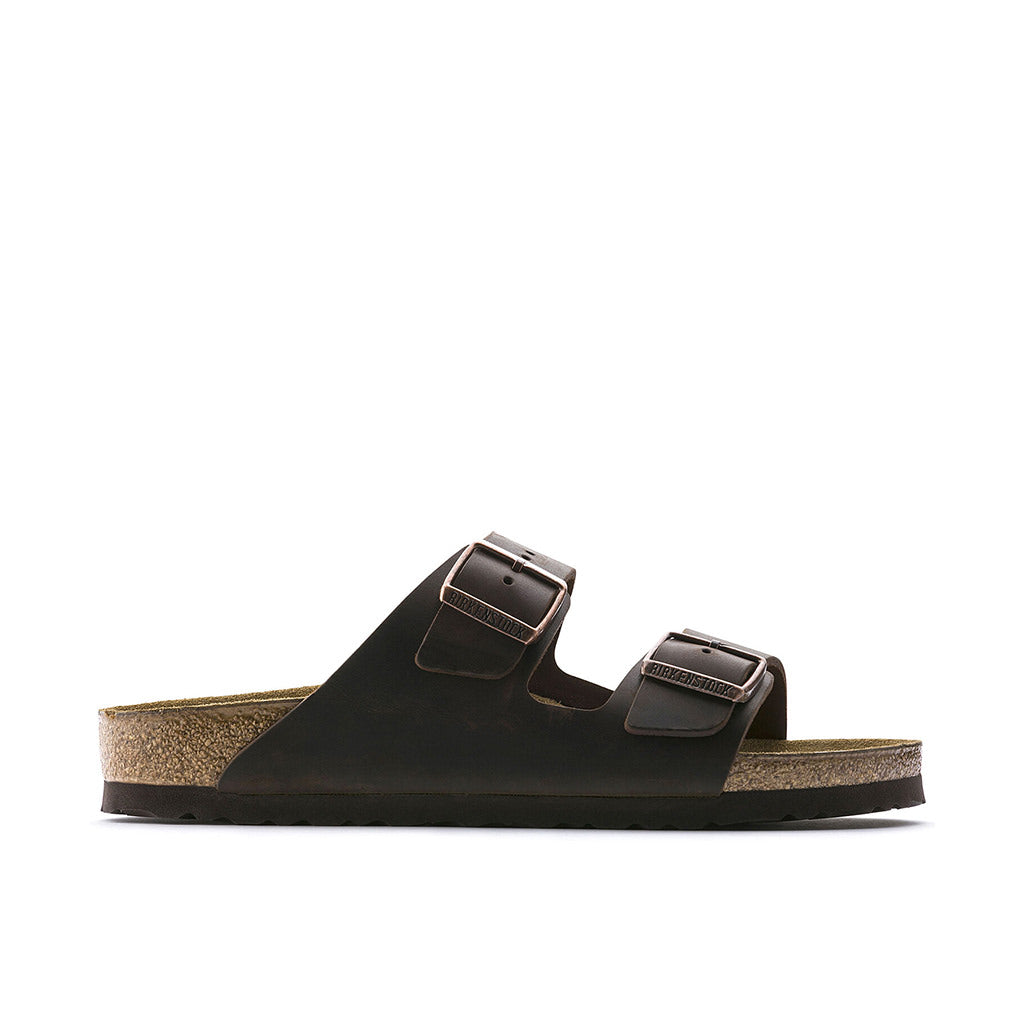
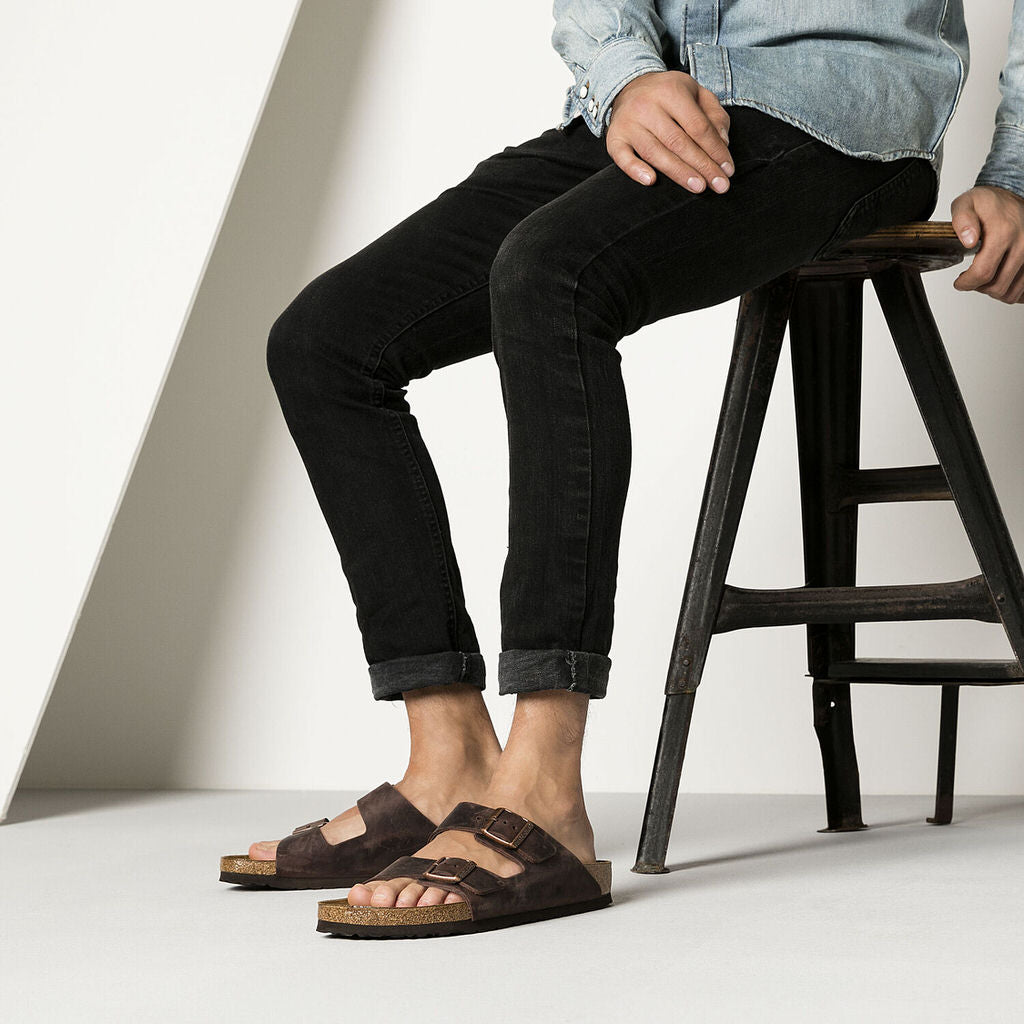
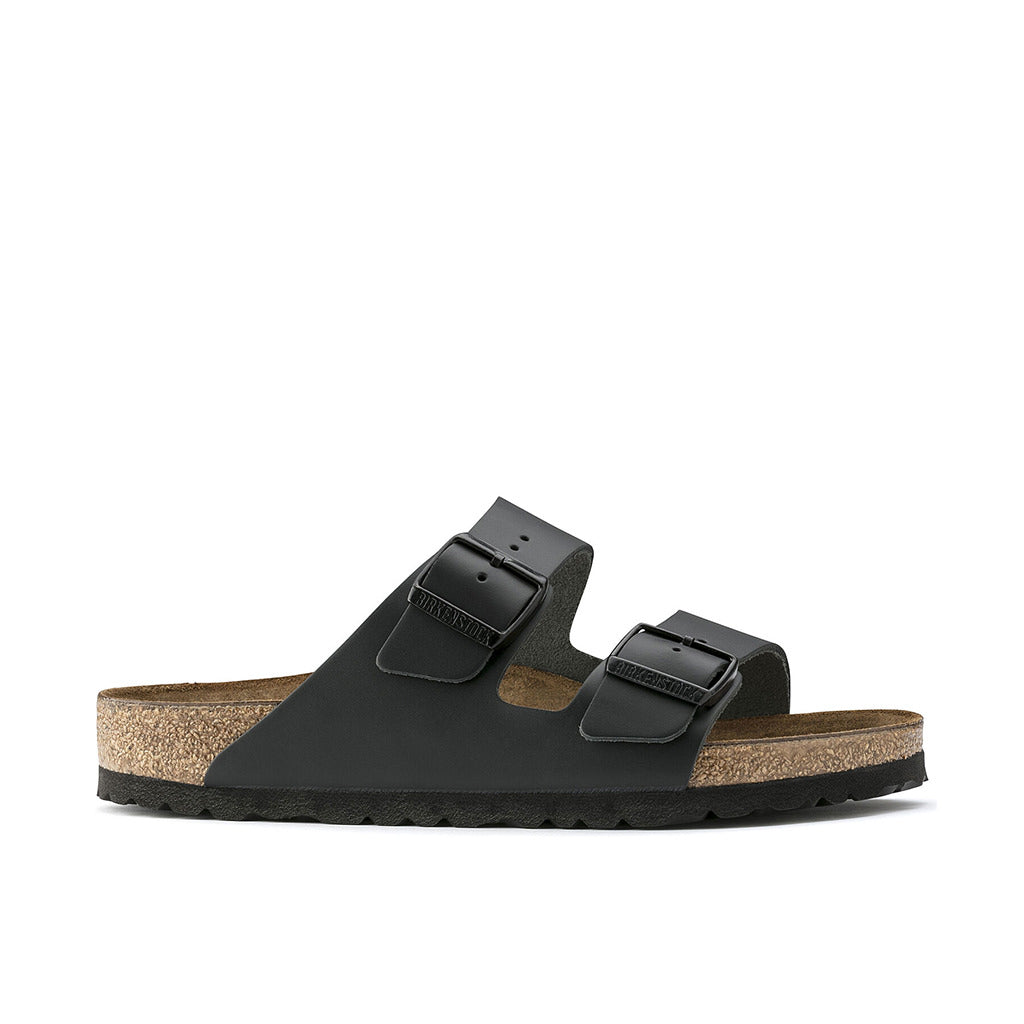
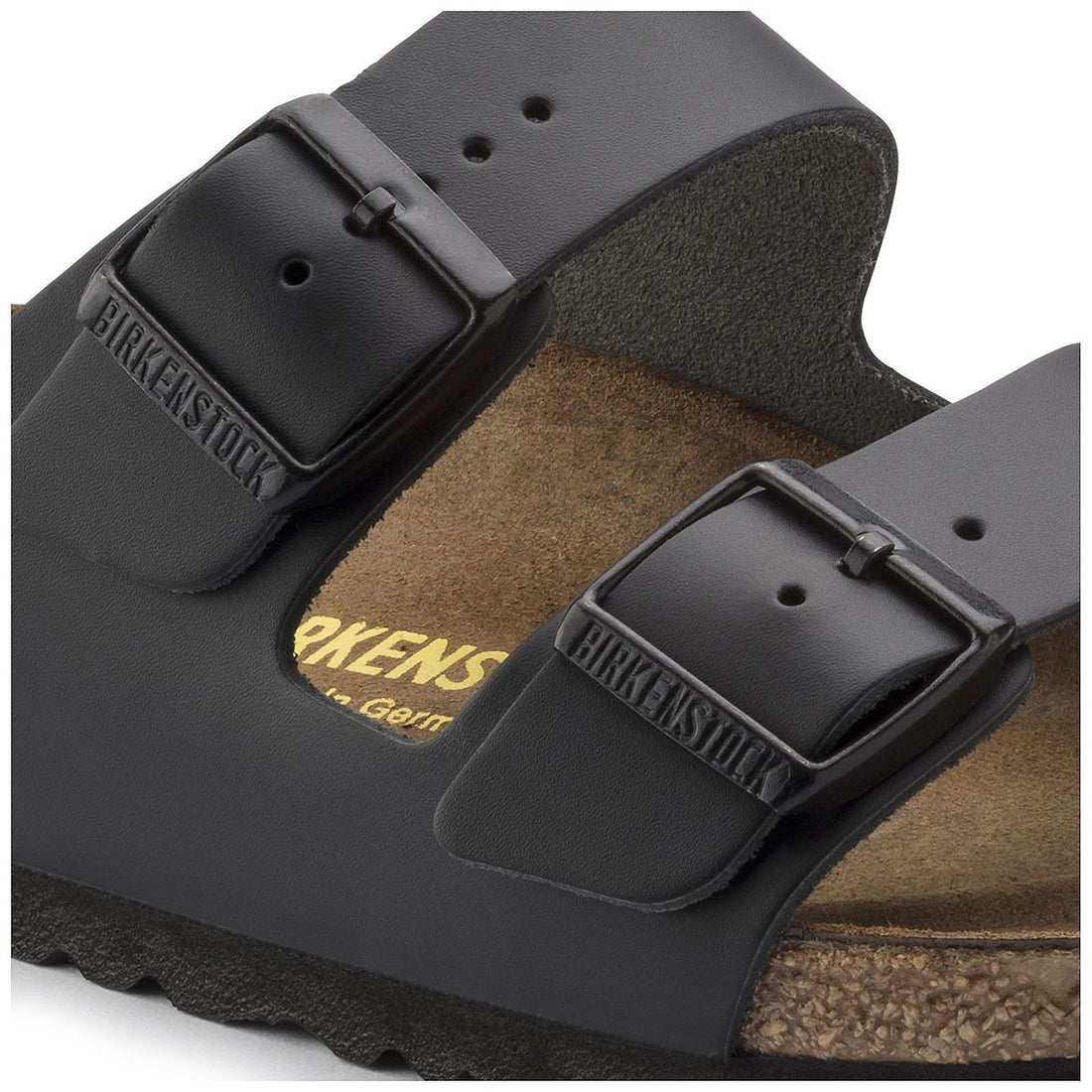
When shopping for narrow feet, we generally recommend looking for styles with adjustable straps or laces, supportive footbeds, and secure heel support. Structured uppers and contoured footbeds can also help create a more secure fit and improve overall comfort, while narrow-specific footbeds are often designed to better suit slimmer feet. Fore-foot cushions and inserts can also be a simple way to customise the fit of styles that feel slightly too roomy.
If you’re unsure where to start, our team can also help guide you towards brands and styles that are often better suited to narrow feet.
We generally recommend trying shoes on later in the day when feet are naturally a little more swollen, as this can help give you a more realistic fit for everyday wear. Wearing the socks you’d normally pair with the shoes can also help improve sizing accuracy.
When trying on new shoes, spend a few minutes walking around and pay attention to any slipping, rubbing, or pressure points. Shoes should feel supportive and comfortable from the start. As always, we recommend trying your shoes indoors first to make sure you’re happy with the fit before wearing them out and about.

When narrow feet aren’t properly secured, your feet often work harder to stabilise themselves inside the shoe. Over time, this can contribute to rubbing, instability, discomfort, and foot fatigue.
A more secure fit helps support the heel and arch properly while reducing unnecessary movement inside the shoe. Supportive footbeds and well-fitted styles can make a huge difference to all-day comfort, especially if you spend long hours on your feet.
This is why at Footgear, we focus on stocking brands known for comfort, support, adjustability, and quality fit across a range of foot shapes.
We know our shoes, and your podiatrist or healthcare professional knows your feet. If you have a specific foot condition or are unsure what type of footwear may work best for you, we always recommend checking with your healthcare professional for personalised advice. We’re always happy to help guide you from there. While supportive footwear can help improve comfort and fit, no shoe can guarantee the treatment or resolution of a medical condition.