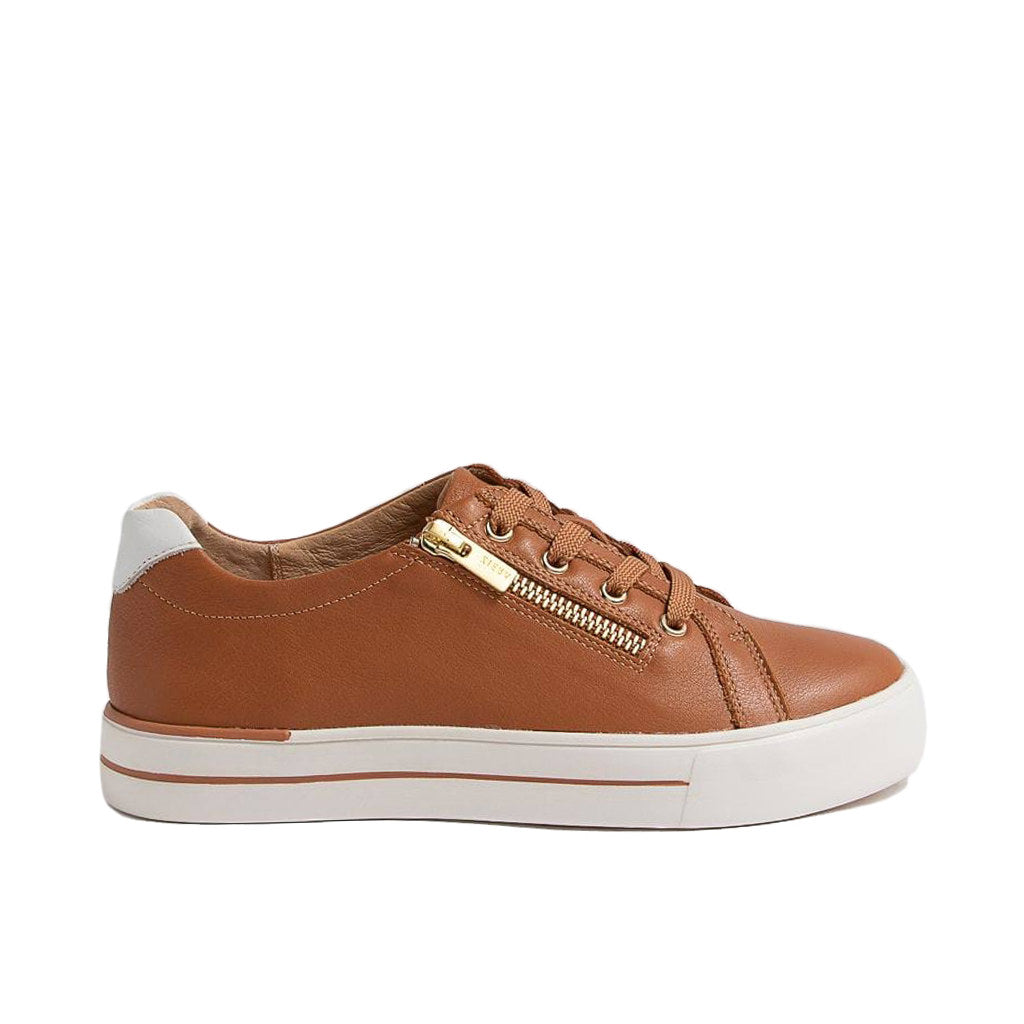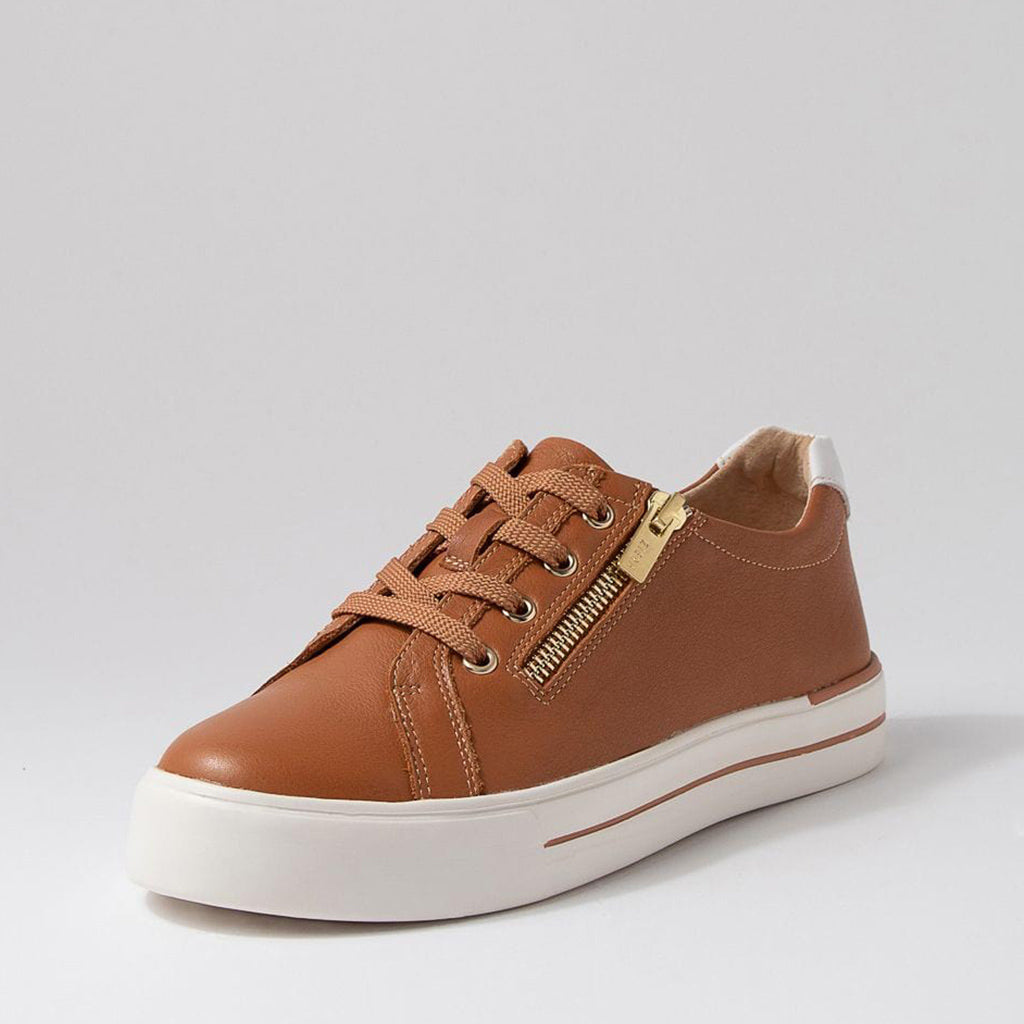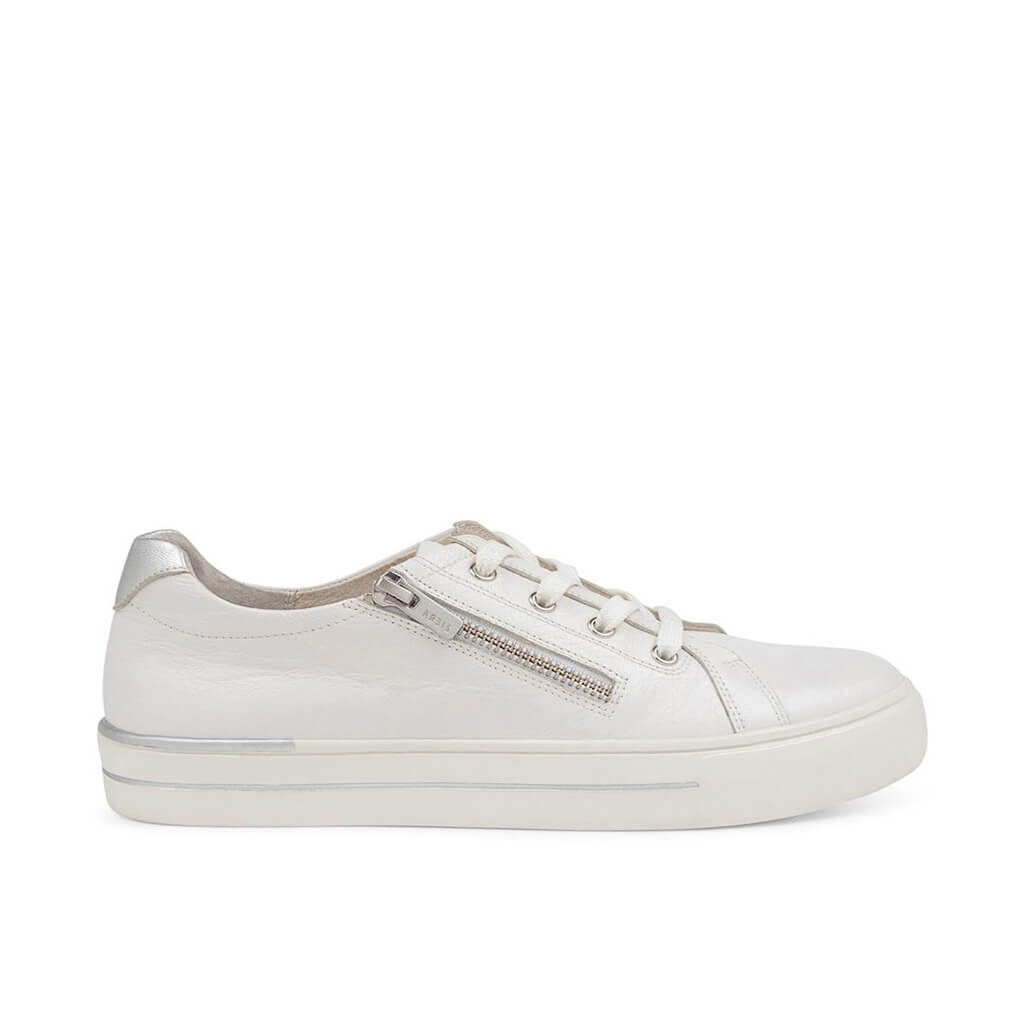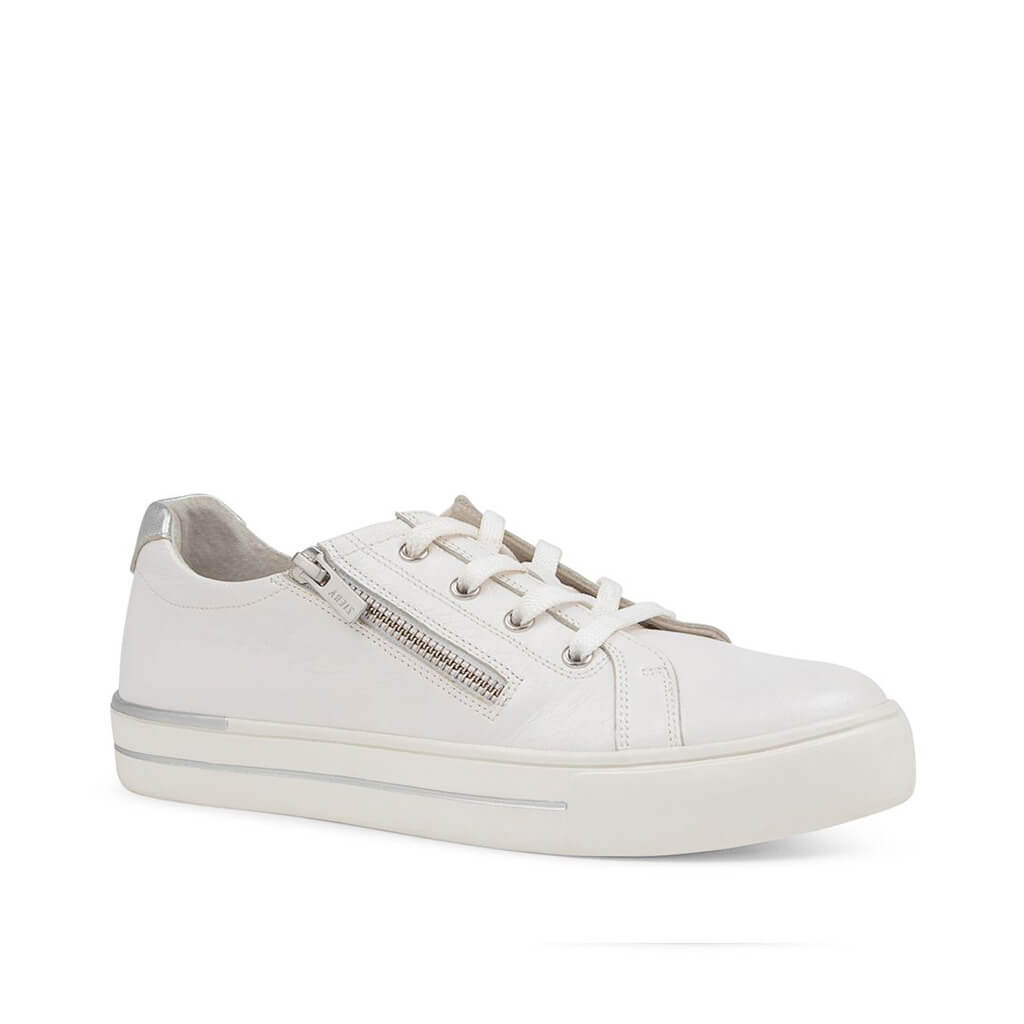








If you have wide feet, you’ve probably experienced shoes feeling tight through the forefoot, rubbing at the sides, pressure across the top of the foot, or discomfort that starts not long after putting shoes on.
Finding the right fit isn’t just about comfort. It can make a huge difference to support, stability, and how your feet feel throughout the day.
Shoes that are too narrow can place unnecessary pressure on your feet and may contribute to rubbing, irritation, foot fatigue, and discomfort through the forefoot and toes. For some people, this becomes even more important when dealing with concerns such as bunions, swelling, arthritis, sensitive feet, or orthotics.
At Footgear, we know every foot shape is different. That’s why we stock a wide range of supportive footwear, wide fit brands, adjustable styles, and removable footbed options designed to help create a more comfortable fit for wider feet.
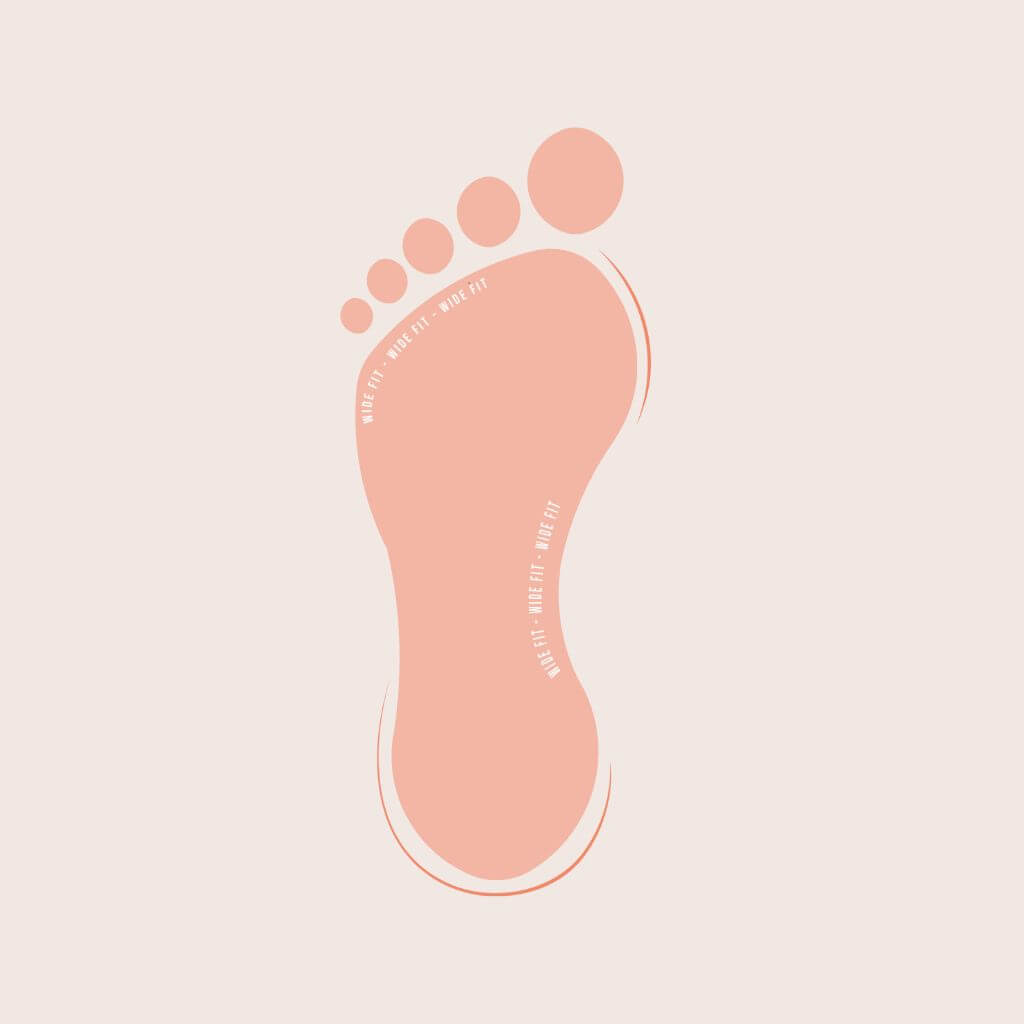

Everyone’s feet are different, but there are a few common signs that a wide fit shoe may suit you better:
Some people find they loosen laces or straps for extra room, while others feel immediate relief taking their shoes off at the end of the day.
Feet can also naturally change over time. Swelling, pregnancy, ageing, arthritis, orthotics, or spending long hours on your feet can all affect foot width and overall fit needs.
If standard fit shoes consistently feel restrictive or uncomfortable, a wide fit style may help provide a more supportive and comfortable fit.
A properly fitting shoe should feel supportive and secure without pressure or pinching.Your toes should have room to move naturally, the widest part of your foot should sit comfortably within the widest part of the shoe, and there shouldn’t be rubbing or excessive pressure across the forefoot. Shoes should feel comfortable from the beginning. You shouldn’t need to rely on “breaking them in” to make them wearable.
For wider feet, we generally recommend prioritising styles with adjustable straps or laces, softer uppers, roomier toe boxes, supportive footbeds, and removable insoles where possible. These features can help improve comfort while allowing a more personalised fit.
Sandals with adjustable straps across the forefoot and instep are often one of the best options for wide feet as they allow for a more customised fit. Selected Revere sandals also include strap extensions to help provide additional adjustment and flexibility where needed. This can be especially helpful if your feet tend to swell throughout the day or if you simply prefer a little more room overall.
Sometimes going up half a size may help create a little more width, particularly if a style runs narrow.
However, it’s generally better to prioritise shoes specifically designed for wider feet rather than sizing up too much in length. Shoes that are too long may, on occasion, solve the width issue, but can create other problems such as heel slipping or instability.
If you’re unsure, our team is always happy to help guide you towards brands and styles that may work better for your foot shape and fit preferences.
When shopping for wide feet, we generally recommend looking for:
These features can all help improve comfort, support, and overall fit for wider feet.
We generally recommend trying shoes on later in the day when feet are naturally a little more swollen, as this can help give you a more realistic fit for everyday wear. If you wear orthotics, supportive socks, or thicker socks regularly, it’s always a good idea to wear them when trying on new shoes so you can get a more accurate feel for the fit.
When trying on shoes, spend a few minutes walking around and pay attention to any rubbing, pressure points, or tightness through the forefoot and toe area. Shoes should feel supportive and comfortable from the start.
As always, we recommend trying your shoes indoors first before wearing them outside to make sure you’re happy with the fit.
We know our shoes, and your podiatrist or healthcare professional knows your feet.
If you have a specific foot condition or are unsure what type of footwear may work best for you, we always recommend checking with your healthcare professional for personalised advice. We’re always happy to help guide you from there. We also recommend trialling your new shoes indoors on a clean surface first to make sure you’re happy with the fit before wearing them out and about. This also gives you the opportunity to check the fit with your podiatrist or healthcare professional if needed. While supportive footwear can help improve comfort and fit, no shoe can guarantee the treatment or resolution of a medical condition.