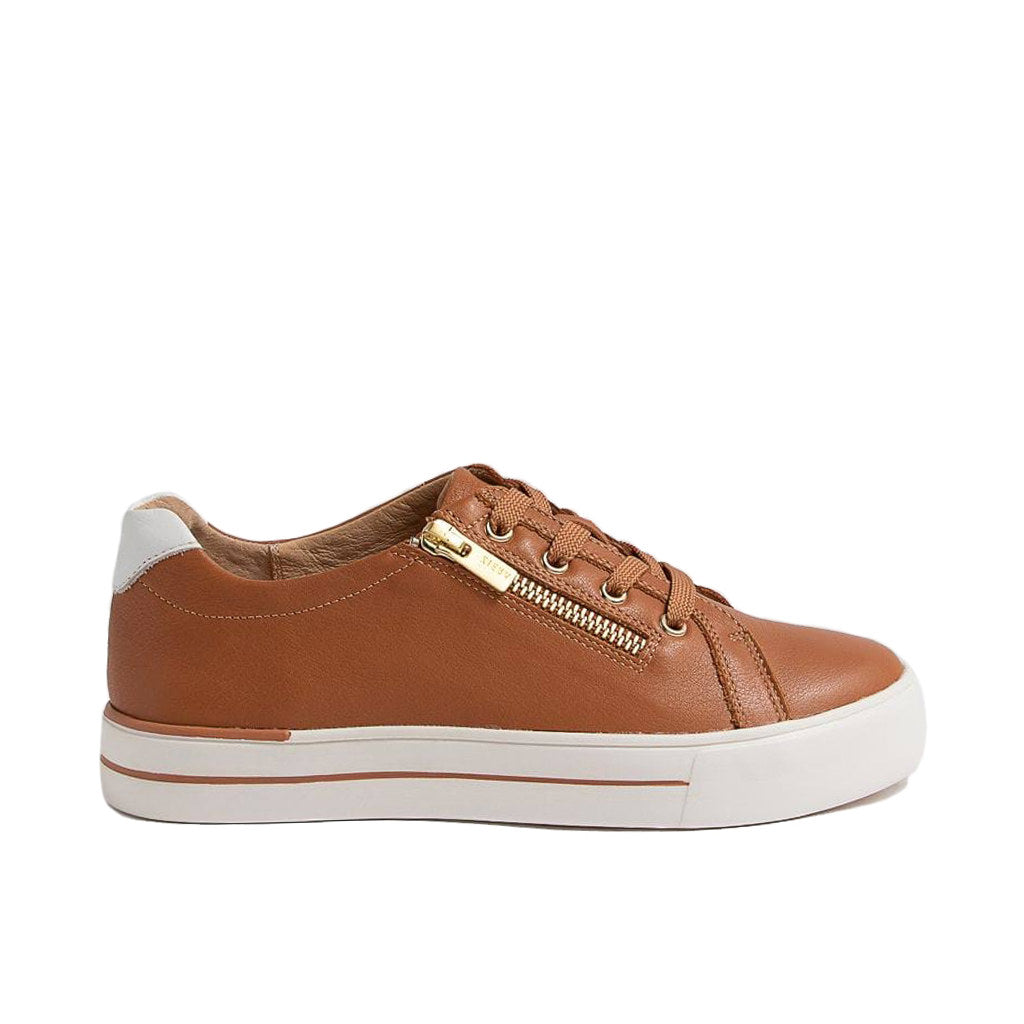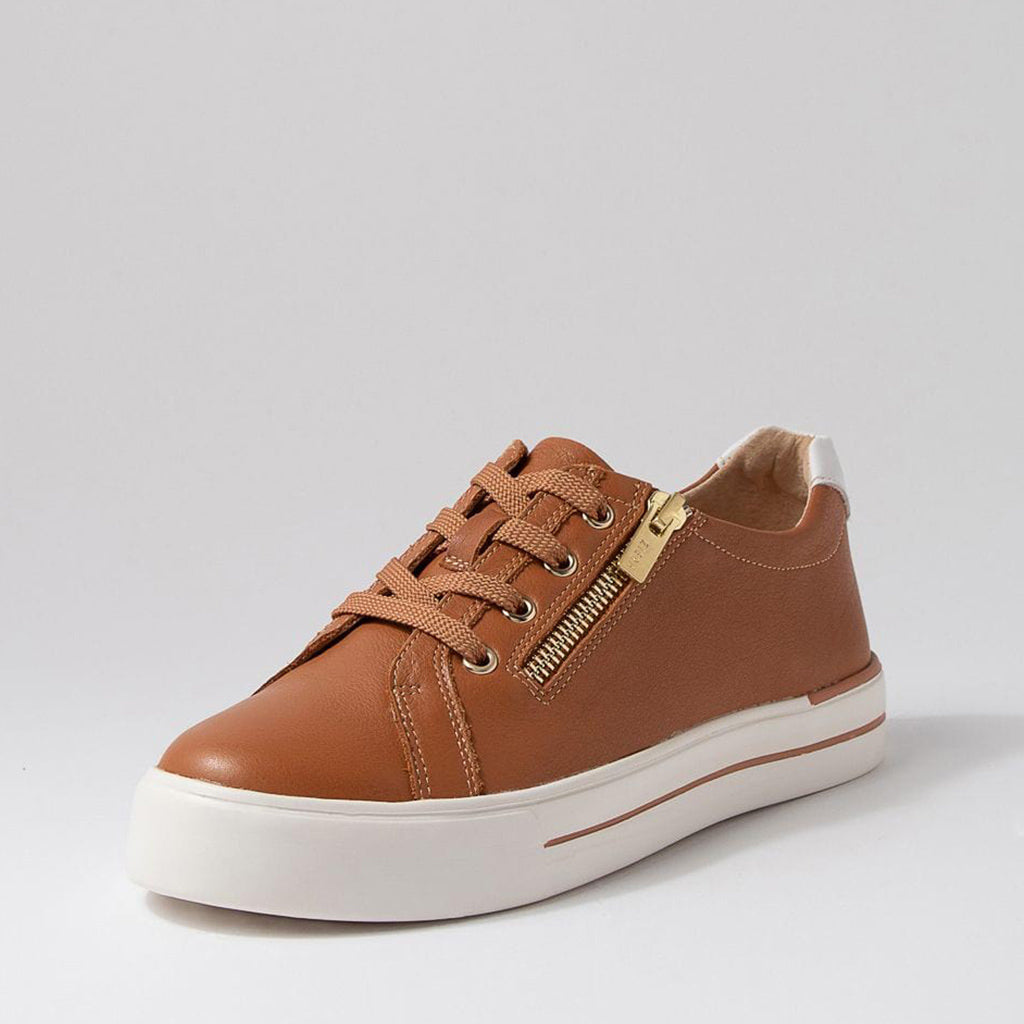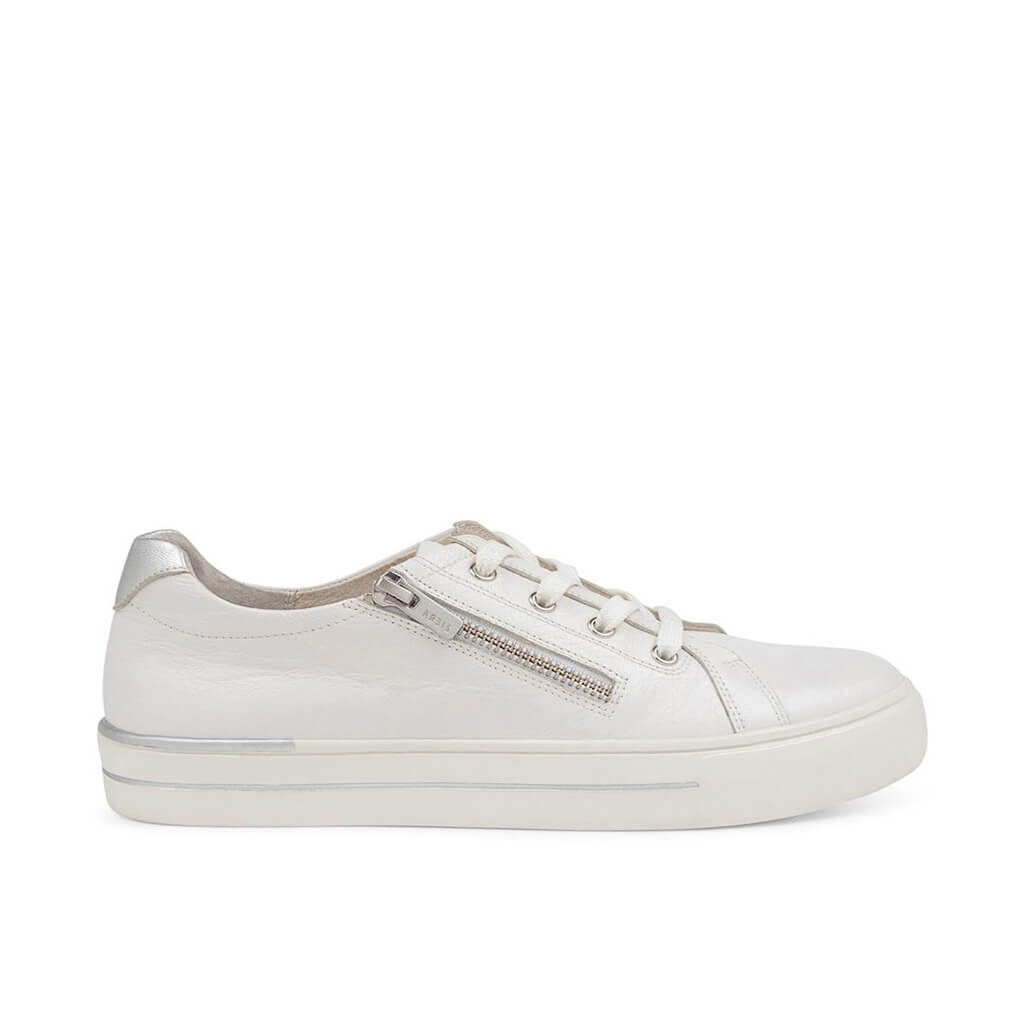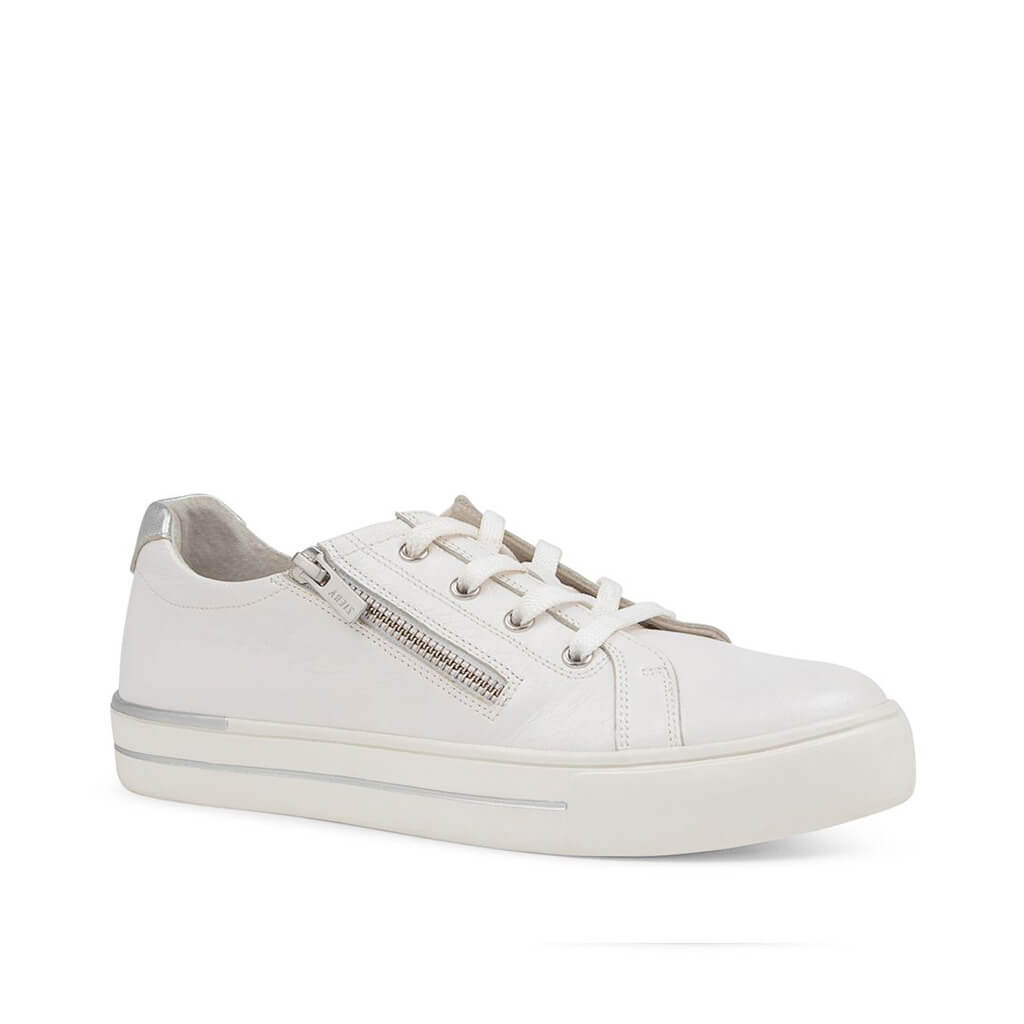









Finding shoes that work comfortably with orthotics is just as important as finding the right orthotics themselves.
Not all shoes are designed to accommodate additional support underfoot, which is why features like removable footbeds, deeper heel support, and extra room through the toe box can make such a difference to overall comfort and fit.
At Footgear, we regularly help customers find shoes that work well with their orthotics, whether they wear custom orthotics, prefabricated inserts, or simply need additional support and stability throughout the day.
We’ve pulled together a range of orthotic-friendly shoes and sandals that are often popular with customers looking for supportive, comfortable, and practical everyday footwear.
Orthotic-friendly shoes are generally designed with features that help accommodate additional inserts or support devices more comfortably.
The right shoe can help improve overall fit, stability, and comfort while allowing your orthotics to sit properly inside the shoe.
Some of the key things we usually recommend looking for include:
These features can help create enough room for orthotics without making the shoe feel tight or restrictive.
Orthotics are designed to support the foot, but the shoe itself still plays an important role in overall comfort and stability.
Shoes that are too shallow, narrow, or unsupportive can sometimes make orthotics feel uncomfortable or difficult to fit properly.
A more supportive and structured shoe often helps orthotics sit more securely and function more effectively throughout the day.
This is why many healthcare professionals recommend pairing orthotics with stable footwear that has enough depth and support to comfortably accommodate them.
If you regularly wear custom orthotics, bringing them with you when trying on new shoes can also help ensure the fit feels right from the beginning. When you try before you buy with your orthotics inserted, you can help to avoid:
One of the most common issues is shoes feeling tighter once orthotics are inserted. Orthotics naturally take up extra room inside the shoe, which is why styles with removable footbeds and additional depth are often preferred, since removing the original footbed can help create more room.
Adding orthotics can slightly lift the foot higher inside the shoe, which may affect heel fit. Lace-up styles, adjustable straps, and deeper heel cups can often help improve heel hold and create a more secure fit.
Shoes with shallow toe boxes can sometimes create pressure across the top of the foot or toes once orthotics are inserted. Styles with roomier forefoot designs and softer uppers are often more comfortable for accommodating orthotics.
Not all sandals and sneakers work well with orthotics, but some styles are specifically designed with removable footbeds and supportive construction to better accommodate inserts. Supportive sneakers are often one of the most popular options thanks to their stability, cushioning, and adjustability.
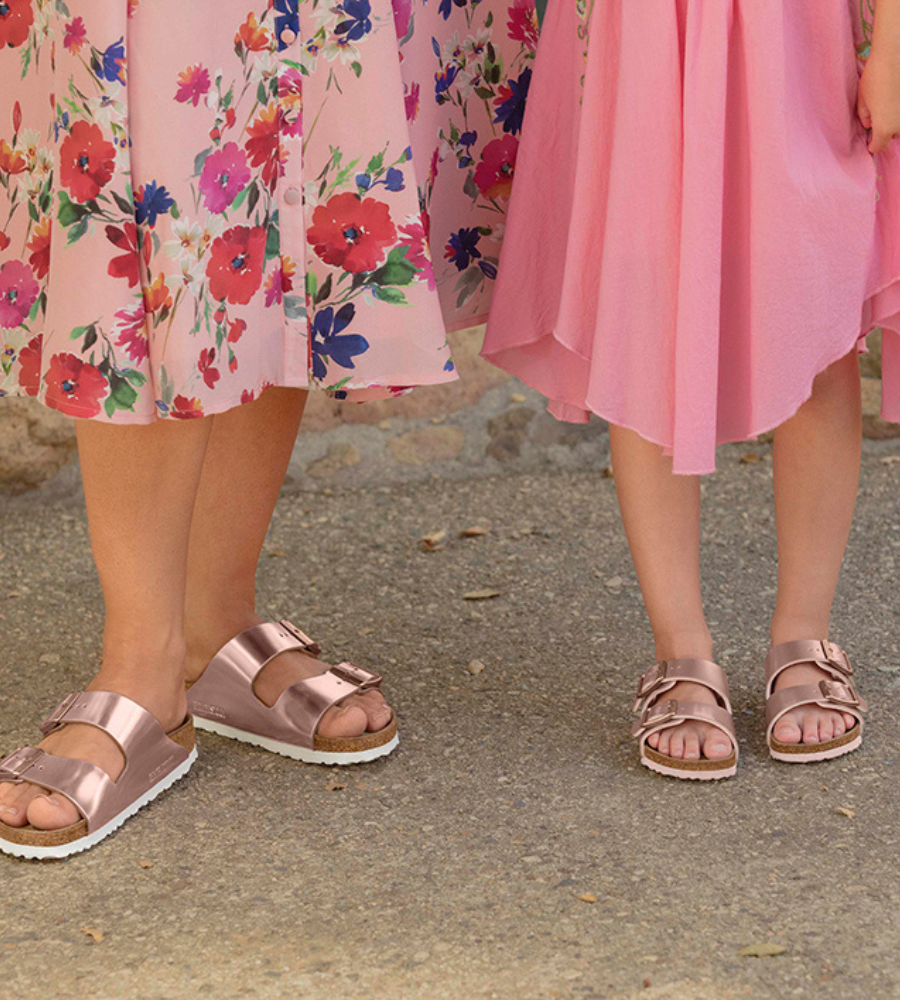
Some sandals can also work well, particularly styles with contoured footbeds, adjustable straps, and removable insoles.
Some brands naturally work better with orthotics thanks to their construction, support, and fit adjustability. We also know that orthotics can vary significantly in thickness, shape, and support level, which is why some styles work better than others depending on the type of orthotic you wear.
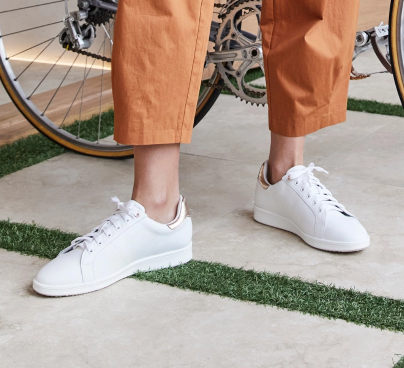
What to look for in an orthotic-friendly shoe:
These features are based on our experience in fitting orthotics to shoes and sandals as well as what the majority of our customers have been advised to look for by their healthcare professional.*
What Makes A Shoe Orthotic Friendly?
Orthotic friendly shoes are generally designed with removable footbeds, supportive soles, deeper heel cups, and enough room inside the shoe to comfortably accommodate orthotics.
Do Orthotics Work In Any Shoe?
Not always. Shoes that are too shallow, narrow, or flexible may not properly accommodate orthotics or provide enough support.
Why Are Removable Footbeds Important?
Removing the original footbed can help create extra depth and room inside the shoe for your orthotics.
Can Sandals Be Orthotic Friendly?
Some sandals can work well with orthotics, particularly styles with removable footbeds, supportive soles, and adjustable straps.
Should I Bring My Orthotics When Trying On Shoes?
Definitely. Trying shoes on with your orthotics inserted is one of the best ways to check fit, comfort, and overall support.
If you wear orthotics or have a specific foot condition, we always recommend speaking with your healthcare professional for personalised advice about the type of footwear that may work best for you.
We also recommend trialling your orthotics and new shoes indoors on a clean surface first to make sure you’re happy with the fit before wearing them out and about.
While supportive footwear may help improve comfort and fit, Footgear cannot guarantee that a shoe will treat or resolve a medical condition.
If you’re unsure where to start, we’re always happy to help guide you towards styles that may work well for your orthotics and lifestyle.